Exterior cleaning might seem simple at first glance. After all, how complicated can spraying water on a driveway or siding really be? Yet many property owners quickly discover that pressure washing is more technical than it appears. Without the right knowledge, tools, and techniques, small cleaning projects can lead to costly repairs, surface damage, or even safety hazards. This is why professional pressure washing services continue to grow in demand — not only for convenience, but also for the expertise they bring to long-term property care. Understanding the most common exterior cleaning mistakes can help homeowners and property managers make smarter decisions and protect their investments. Gain more insights by visiting https://www.certifiedsoftwash.ca/.
One of the biggest misconceptions about pressure washing is that higher pressure equals better results. In reality, excessive pressure is one of the fastest ways to damage exterior surfaces. Wood decks, vinyl siding, painted fences, and even concrete can suffer when water pressure exceeds safe limits. Professionals understand that cleaning is about technique, not force. They evaluate materials carefully and adjust pressure levels to remove dirt without stripping paint, splintering wood, or forcing moisture into cracks. This careful approach preserves structural integrity while achieving a deep clean that lasts longer.
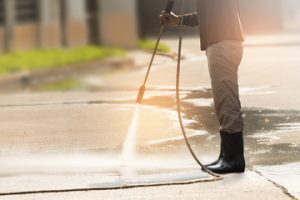
Another frequent mistake involves using the wrong cleaning solutions. Many people assume that any household detergent will work, but chemical compatibility plays a major role in safe exterior cleaning. Certain cleaners can discolor surfaces, harm landscaping, or leave residues that attract more dirt over time. Pressure washing professionals use specialized solutions tailored to specific surfaces and contaminants. Whether dealing with algae growth, oil stains, or mildew buildup, they understand how to balance cleaning power with environmental responsibility. Proper chemical selection ensures effective results without unintended side effects that could reduce the lifespan of exterior materials.
Surface preparation is often overlooked by those attempting do-it-yourself pressure washing. Jumping straight into spraying without assessing the condition of the area can cause problems. Loose paint, cracked caulking, or weakened wood may worsen under pressure. Professionals begin with an inspection process, identifying vulnerable areas that require gentle treatment or repair before cleaning begins. This extra step prevents minor flaws from turning into major damage, saving both time and money in the long run. Preparation may not be the most visible part of the job, but it’s one of the most important factors in achieving safe and consistent results.
In addition to preparation, technique plays a crucial role in effective cleaning. Improper spray angles, uneven movements, and inconsistent distance from surfaces can create streaks or permanent marks. Many property owners unintentionally leave “zebra stripes” on siding or etched patterns on concrete because they move the nozzle too slowly or too closely. Professionals rely on controlled motion, even overlap, and strategic patterns to deliver a uniform finish. Their experience allows them to clean efficiently without sacrificing quality, ensuring that every section of the property receives the same level of care.
One area where mistakes frequently occur is roof and gutter cleaning. Exterior surfaces at higher elevations require special equipment and safety precautions. Attempting to pressure wash these areas without proper training can lead to slips, falls, or water intrusion beneath roofing materials. Professionals use low-pressure techniques designed specifically for delicate surfaces, preventing granule loss on shingles and avoiding damage to flashing or sealants. By combining safety protocols with specialized tools, they help maintain the condition of roofing systems while minimizing risk.
Another common issue arises from cleaning surfaces at the wrong time or under unsuitable conditions. Weather, temperature, and sunlight all influence how cleaning solutions perform. For example, working in direct sunlight may cause chemicals to dry too quickly, leaving streaks or uneven results. Cold conditions can reduce effectiveness or create slippery hazards. Professionals schedule cleaning projects strategically, choosing times when surfaces are cool and conditions are stable. This attention to timing enhances both safety and efficiency, producing better outcomes than rushed or poorly planned attempts.
Property owners often underestimate the importance of understanding different exterior materials. Brick, stucco, composite decking, and natural stone all require unique approaches. Treating every surface the same way is a mistake that can lead to erosion or discoloration. Pressure washing professionals invest time in learning how various materials react to water pressure and cleaning agents. They adjust methods accordingly, ensuring that each surface receives the appropriate level of care. This adaptability not only improves results but also extends the lifespan of exterior features.
To better understand the value professionals provide, consider some of the most common exterior cleaning mistakes they help clients avoid:
- Using excessive pressure on delicate surfaces – High pressure can cause cracking, peeling, or water infiltration.
- Skipping pre-treatment for heavy stains – Without proper preparation, stubborn buildup may require repeated cleaning, increasing wear on surfaces.
- Ignoring safety equipment – Eye protection, gloves, and stable footing are essential but often overlooked in DIY projects.
- Overlooking drainage and runoff management – Improper water flow can create erosion or introduce moisture into areas where it shouldn’t be.
By addressing these issues proactively, professionals not only achieve better visual results but also reduce the risk of long-term damage.
Another perspective often overlooked is the impact of improper pressure washing on energy efficiency. Dirt, algae, and grime buildup on exterior walls can trap moisture and reduce reflective properties, causing surfaces to absorb more heat. Over time, this can contribute to higher cooling costs and faster material deterioration. Regular, professionally managed cleaning helps maintain surface performance, supporting a more comfortable indoor environment. This hidden benefit demonstrates how exterior maintenance connects directly to broader property management goals.
Environmental responsibility is also becoming a major focus in exterior cleaning. Using too much water or allowing chemicals to flow into storm drains can harm surrounding ecosystems. Pressure washing professionals employ water-efficient equipment and eco-conscious cleaning methods designed to minimize environmental impact. They understand how to capture runoff, select biodegradable solutions, and adjust techniques to reduce waste. This approach aligns with modern sustainability practices while still delivering powerful cleaning results.
Many property owners also make the mistake of viewing pressure washing as a one-time project rather than part of a broader maintenance strategy. Dirt and organic growth return gradually, and waiting until surfaces look heavily stained can make cleaning more difficult. Professionals often recommend maintenance schedules based on climate exposure, material type, and usage patterns. Establishing a routine prevents buildup from reaching damaging levels and keeps exterior spaces looking fresh year-round. This proactive mindset transforms pressure washing from a reactive task into a long-term investment.
Beyond technical mistakes, expectations around speed and cost can also create challenges. Some individuals assume that pressure washing is a quick fix that should deliver instant perfection. However, heavily weathered surfaces may require multiple steps, including pre-treatment, gentle washing, and post-cleaning inspection. Professionals communicate realistic timelines and results, helping clients understand that quality work takes careful planning. This transparency builds trust and ensures that property owners appreciate the value of a thorough approach.
Here are several strategic practices professionals use to prevent common cleaning errors and deliver consistent outcomes:
- Surface-specific pressure adjustments – Matching water pressure to material type avoids unnecessary wear.
- Soft washing for sensitive areas – Low-pressure techniques combined with specialized solutions remove contaminants without damage.
- Layered cleaning processes – Pre-treatment, washing, and rinsing ensure deep, long-lasting results.
- Post-cleaning evaluation – Inspecting surfaces after washing helps identify areas needing additional care or repair.
These strategies highlight the difference between casual cleaning and professional-level maintenance.
Another aspect worth considering is the role of education in preventing exterior cleaning mistakes. Many professionals take time to explain proper care techniques to their clients, offering guidance on how to maintain surfaces between scheduled cleanings. Simple habits like rinsing outdoor furniture regularly or clearing debris from walkways can extend the life of a professional cleaning job. This collaborative approach empowers property owners while reinforcing the value of expert service.
Technology has also transformed the pressure washing industry, helping professionals avoid once common mistakes. Modern equipment allows for precise pressure control, adjustable spray patterns, and improved water efficiency. Advanced cleaning solutions target specific contaminants, reducing the need for excessive force. By staying updated with industry innovations, professionals provide safer and more effective services than traditional methods alone could achieve. This evolution reflects the growing demand for smarter, more sustainable exterior maintenance solutions.
Ultimately, the significance of professional pressure washing lies in its ability to combine technical knowledge with practical experience. Exterior surfaces face constant exposure to weather, pollutants, and organic growth, making regular cleaning essential. However, the wrong approach can create more problems than it solves. By avoiding common mistakes — from improper pressure levels to poor chemical choices — professionals help preserve property value and enhance curb appeal without compromising structural integrity.
Exterior cleaning is not just about appearance; it’s about protection, longevity, and thoughtful maintenance. When property owners recognize the risks associated with improper pressure washing, they begin to see the true value of expert guidance. Professionals bring more than equipment to the job — they offer insight, precision, and a long-term perspective that transforms routine cleaning into a strategic investment. In a world where first impressions matter and maintenance costs continue to rise, avoiding these common mistakes can make a significant difference in how properties look, perform, and endure over time.