Commercial electrical systems are crucial for keeping businesses up and running. Electricians provide a variety of services that keep these essential systems safe, reliable, and compliant with industry standards.
These services include wiring, lighting, power outlets, and specialized systems like data cabling and security alarms. Unlike residential projects, commercial jobs often involve higher voltages and more complex requirements.
Pre-Installation Planning
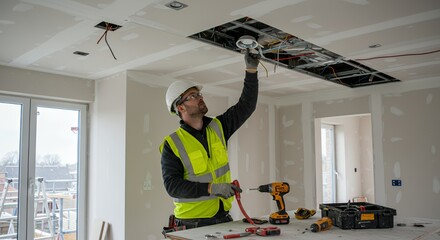
Proper Commercial Electrical Installation system is crucial for commercial properties. This is true for both new buildings and renovation projects. It is necessary for safe operation, compliance with regulations, and the longevity of equipment and building structures. Inexperienced or improper electrical installation can lead to safety risks, costly repairs, and expensive downtime. Choosing the right contractor for your project will minimize these concerns.
The first step in any commercial electrical installation is the planning and preparation stage. This process involves evaluating power requirements, determining system layouts, and developing budgets. This helps ensure that all work is done according to local codes and standards, and that the final product meets your company’s specific needs.
Unlike residential projects, commercial electrical installations are more complex and require specialized knowledge. They include three-phase power distribution, complex building automation systems, emergency power systems with transfer switches, fire alarm integration, and sophisticated energy management systems. Commercial electricians also use encased wiring instead of simple Romex cables, which increases safety and durability. They must also have a deeper understanding of local codes and safety regulations than their residential counterparts.
When hiring a professional, make sure to review their qualifications and portfolio to ensure that they have the experience and expertise required for your particular project. In addition, make sure to ask about their pricing structure and whether they provide free estimates. Finally, it is important to check out customer testimonials and reviews to get a sense of their level of satisfaction.
One of the most common mistakes that can occur during a commercial electrical installation is overloading or overcharging circuits, which can lead to damage and failure of equipment. Using oversized wires, over-tightening connectors, or failing to properly secure wires are all common errors that can cause serious problems during the installation process. These errors can also create dangerous situations for the occupants of the building.
Another issue that may arise during a renovation is underestimating the power requirements. Businesses today rely on far more electricity than they did even a decade ago, so it is important to assess the existing electrical panel’s capacity and wiring to determine if it can handle any additional load from renovations or future expansions.
Once the installation process is complete, it is essential to schedule regular inspections and maintenance. These services will help identify potential issues and prevent them from becoming more severe over time. For example, a non-functional outlet or undersized electrical panel can lead to inconsistent power, which can impact productivity and workflow. Addressing these issues promptly can reduce downtime and improve the overall efficiency of your business.
Relying on professionals for your commercial electrical installation and maintenance will keep your property running smoothly and efficiently. These services will minimize safety risks and improve the overall function of your facility, allowing you to focus on growing your business. Contact the experienced electricians at K-CO Electric to discuss your upcoming renovations and to find out more about our comprehensive electrical services. We offer a wide range of options to meet your unique power and lighting needs, from simple upgrades to full-scale electrical system redesigns.
Design
Commercial electrical installations involve more complex wiring than a home and stricter rules for safety. Choosing the right contractor makes all the difference. The right contractor will take the time to understand your specific needs and provide accurate estimates upfront. They will also keep you updated on progress and costs throughout the project. They will also follow all the rules and regulations required for commercial work to ensure your renovation meets code.
The process of commercial electrical installation starts with pre-construction design, where electricians and engineers like RSVC collaborate to create detailed plans. This process reduces rework and prevents expensive changes during construction. It’s especially critical for new building projects, where the team must carefully coordinate with structural teams to place electrical pathways in concrete slabs before they are poured. This step is essential to prevent damage and voiding warranties down the road.
Electricians also consider current and future power requirements in their plans, so they can accommodate growth without costly upgrades. They can install energy-saving solutions, including lighting retrofits and smart controls, to lower utility bills and support sustainability initiatives. They can also install backup power solutions, from generators to uninterruptible power supplies, to ensure a business can continue to operate during an outage.
Once construction begins, electrical workers follow rigorous safety rules to protect themselves and the occupants of the building. This includes wearing proper safety gear, following onsite procedures, and regularly inspecting cables for damage or wear and tear. These rules are in place to prevent electrical fires, shocks, and injuries. In addition to following strict safety regulations, they must use proper tools and equipment, like metal conduits or EMT (electrical metallic tubing), to protect against physical damage during installation.
Electrical contractors must follow all local, state, and federal regulations during construction, including adherence to the California Electrical Code, which updates on a three-year cycle. This code incorporates the National Electrical Code (NEC) with California-specific amendments that focus on issues like arc flash hazards, sustainable practices, and energy efficiency.
Before hiring a contractor for your commercial electrical installation, check out their portfolio and past projects. Look for customer testimonials and reviews to evaluate their level of expertise and reputation. Then, ask for detailed estimates to compare costs and get an idea of how long the project will take. Lastly, make sure the contractor you choose is insured and licensed. Getting the job done right protects your business and keeps it running safely for years to come.