Building a Greener Future with Sustainable Homes

As the world becomes more aware of environmental challenges, the way we design and build our living spaces is rapidly changing. Sustainable homes are at the forefront of this shift, blending comfort, style, and efficiency with a deep respect for the planet. By minimizing waste, reducing energy consumption, and embracing eco-friendly materials, these homes help create a cleaner, healthier future for generations to come.

This article explores what makes a home sustainable, the benefits of going green, and how you can incorporate sustainable practices into your own living space—all without mentioning specific names, brands, or places.

sustainable homes

What Makes a Home Sustainable

A sustainable home is designed and built to reduce its environmental impact throughout its life cycle. From construction materials to daily operation, every detail is considered to minimize waste, conserve energy, and promote a healthier living environment.

Key elements of sustainable homes include:

  • Energy efficiency – Using insulation, efficient windows, and smart designs to reduce heating and cooling needs.
  • Renewable energy – Integrating solar panels, wind power, or other renewable sources to offset energy use.
  • Water conservation – Installing low-flow fixtures and rainwater collection systems to reduce water waste.
  • Sustainable materials – Choosing recycled, reclaimed, or locally sourced materials with minimal environmental impact.
  • Healthy indoor air – Using non-toxic paints, finishes, and ventilation systems to improve indoor air quality.

By combining these features, sustainable homes significantly cut down on resource consumption while maintaining comfort and style.

Energy Efficiency as a Foundation

One of the most important aspects of a sustainable home is energy efficiency. Reducing energy use lowers greenhouse gas emissions and cuts utility costs. Some effective strategies include:

  • Proper insulation – Keeps warm air in during the winter and cool air in during the summer.
  • High-performance windows – Reduce heat transfer and improve indoor comfort.
  • Efficient lighting and appliances – Use less electricity without sacrificing performance.
  • Smart home technology – Allows residents to monitor and manage energy consumption more effectively.

These features work together to reduce the home’s carbon footprint and provide long-term savings.

Water Conservation Matters

Water scarcity is a growing concern worldwide, making water-efficient design a crucial component of sustainable homes. Simple changes can make a big difference:

  • Installing low-flow faucets, showerheads, and toilets.
  • Using drought-tolerant landscaping to reduce outdoor water use.
  • Collecting rainwater for irrigation or other non-potable uses.
  • Recycling greywater (lightly used water from sinks or showers) for secondary purposes.

Together, these practices help conserve one of our most valuable natural resources.

Choosing Sustainable Materials

Materials used in construction and finishing can significantly impact a home’s environmental footprint. Sustainable homes prioritize materials that are:

  • Recycled or reclaimed – Reducing the demand for new raw materials.
  • Durable – Long-lasting materials reduce waste and maintenance costs.
  • Locally sourced – Minimizing transportation emissions.
  • Non-toxic – Creating healthier indoor environments for occupants.

From flooring and insulation to cabinets and paint, making thoughtful material choices adds up to a more eco-friendly home.

Designing for Natural Light and Ventilation

Sustainable homes take advantage of natural resources like sunlight and fresh air. Proper orientation, window placement, and open layouts maximize daylight and reduce the need for artificial lighting. Similarly, good ventilation reduces reliance on mechanical cooling and improves indoor air quality.

By designing with nature in mind, homeowners can cut energy costs while creating a brighter, more comfortable living environment.

Reducing Waste During Construction

Sustainability begins long before a homeowner moves in. Building a sustainable home involves minimizing waste during construction by:

  • Planning efficiently to reduce leftover materials.
  • Recycling or repurposing construction debris.
  • Choosing modular or prefabricated components to streamline building.

These steps lessen the environmental impact of the building process and set the tone for eco-friendly living once the home is complete.

Benefits Beyond the Environment

While the environmental benefits of sustainable homes are clear, there are also personal and financial advantages:

  • Lower utility bills – Energy and water efficiency lead to significant cost savings.
  • Improved health – Non-toxic materials and better ventilation create cleaner indoor air.
  • Increased comfort – Consistent temperatures and natural lighting improve quality of life.
  • Higher resale value – Sustainable homes are increasingly attractive to buyers looking for long-term savings and eco-friendly living.

By investing in sustainability, homeowners enjoy both immediate and long-term rewards.

Retrofitting Existing Homes

You don’t have to build a new house to embrace sustainability. Many existing homes can be retrofitted with eco-friendly upgrades:

  • Adding insulation and sealing leaks to improve energy efficiency.
  • Replacing old windows and doors with energy-efficient models.
  • Installing low-flow plumbing fixtures to conserve water.
  • Using energy-efficient lighting and appliances.
  • Incorporating renewable energy systems where possible.

These changes can significantly reduce your environmental footprint without requiring a full rebuild.

Sustainable Landscaping

A sustainable home doesn’t end at the walls. Eco-friendly landscaping practices can reduce water use, support biodiversity, and create a healthier outdoor environment. Examples include:

  • Planting native or drought-tolerant plants.
  • Use organic fertilizers and pest control methods.
  • Creating permeable pathways to reduce runoff.
  • Installing rain gardens or green roofs to manage stormwater.

This holistic approach makes the entire property more environmentally responsible.

Building a Sustainable Future

As awareness of climate change and resource depletion grows, sustainable homes represent a practical and powerful response. They demonstrate that it’s possible to live comfortably while reducing environmental impact. By adopting eco-friendly practices in construction, operation, and maintenance, homeowners can play a direct role in shaping a greener future.

Whether building new or upgrading an existing property, every step toward sustainability counts. From energy-efficient systems and water-saving fixtures to healthy materials and smart design, sustainable homes prove that modern living and environmental stewardship can go hand in hand.

Living Better, Living Green

Sustainable homes are more than just a trend—they’re a lifestyle choice that benefits people and the planet alike. They offer cleaner air, lower costs, and a smaller carbon footprint without sacrificing beauty or comfort.

By embracing sustainability, homeowners aren’t just improving their own quality of life—they’re also contributing to a healthier world. Each eco-friendly choice builds momentum toward a future where living green is the standard, not the exception.

Code and Safety Requirements for Architectural Metal Stair Railings

83MetalCraft LLC

The safety standards for handrails and guardrails vary depending on the code or regulations you’re designing under. For instance, OSHA standards (which apply to workplaces) have specific rules regarding stair rail height and spacing.

Fortunately, metal railings can meet these safety requirements while still offering great style options. To learn more about codes and regulations, continue reading. Visit 83MetalCraft LLC for more details.

Structural Requirements

The structure of a staircase railing must be able to support the load it will bear. Stairway railings must also be able to provide a gripping surface that is strong enough to withstand the force of an individual grasping the handrail. This ensures that the railing system is safe for use and does not pose a risk to the individuals using it.

Most building codes establish rules that specify the structural requirements for stair railings to promote safety and provide stability. These guidelines include regulating the overall dimensions of the stairs to ensure that people can navigate them comfortably, setting minimum tread and riser dimensions for stability, and specifying the locations and heights of handrails. They also regulate the materials and design options for stair railings to protect individuals from fire hazards, enhance traction, and align with accessibility requirements to accommodate users with disabilities.

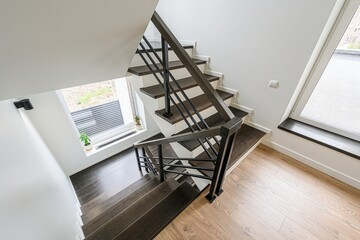
In most cases, handrails are required to be installed on both sides of a staircase to provide stability and support for individuals as they move up or down the stairs. In addition, they must be able to withstand a uniform live load of 200 pounds or less. They must also be able to prevent the passage of a 4-inch diameter sphere to avoid potential injuries.

When selecting the style of a staircase handrail, it is important to consider the architectural theme and aesthetics of the project. Metal railings can create a sleek, modern look, while glass and wood options complement more traditional, classic designs. These systems can be further customized by selecting decorative end caps and scroll work to enhance their appearance. Incorporating lighting solutions into the staircase railings can also enhance safety and set a mood or create an artistic display.

The building code may also require a specific grip size, which refers to the diameter or perimeter of the handrail’s gripping surface. This helps ensure that the handrails are easy to grasp and will not become slippery during normal use. Other code requirements typically include requiring the handrail to be continuous over the full length of the staircase, with no breaks or interruptions except at the top and bottom of the stairs. They are also required to be mounted securely to the structure of the stairs, either by being attached to the wall or fastened to the newel posts with standard terminal castings.

Design Requirements

Many designers don’t give much thought to the specifics of staircases and railings – but there are many important details involved in meeting code and safety requirements. Building organizations that enforce these regulations have clear guidelines for stair design and components to ensure that stairs, handrails and balustrades are durable, functional and attractive.

For example, building codes often specify a minimum and maximum diameter or perimeter for handrail grips to ensure that they are graspable and easy to hold onto. They also typically require that handrails extend continuously along the stair, with no interruptions or gaps. This provides a safe and consistent support system as individuals navigate the stairs.

Other design considerations include a clear and consistent height above the walking surface, opening size and spacing, and stair depth. Safety standards don’t just care about aesthetics, though – they also have strict rules about how much force a handrail can handle to prevent falls and other accidents. For example, a stair railing must be capable of resisting a concentrated load of 200 pounds and a uniform load of 50 pounds per linear foot along the top rail.

In addition, safety codes often have specific requirements for railings in different regions and climates. For instance, coastal areas might require weather-resistant materials like powder-coated stainless steel. Earthquake-prone zones may require reinforced posts and specialized earthquake-resistant designs for stair railings. And historic districts might require adherence to specific aesthetics like wrought iron or masonry construction.

A good way to meet these safety and code requirements is to work with a professional company that specializes in designing and installing architectural metal stair railings. They can create a custom solution that meets all of the required specifications while maintaining a stylish, contemporary look.

Using a professional installation service can also help ensure that the railings are correctly installed and that they are properly attached to the stair structure. This can avoid potential problems during the construction process, including damage to the stair and handrails, and it can also save on labor costs. When it comes to installing a metal handrail, working with a professional is vital because the proper mounting and fastening techniques are essential for safety, compliance and durability.

Material Requirements

Architects must consider the type of material that will serve the railing system’s function, including its durability and load-bearing capacity. For example, if the railing will be exposed to a lot of wear and tear, it should be made from a durable metal, like stainless steel or anodized aluminum, that can stand up to the impact and stress of constant use. Likewise, the railing should be able to hold up to the varying forces that are applied to the handrail system during normal use and to withstand concentrated loads, such as people leaning on them for stability.

Additionally, the railing must meet specific design requirements that are set by building codes and ADA regulations, such as its height and openings. For example, IBC Section 1013.3 requires handrails to be a minimum of 30 to 38 inches above the leading edge of the stair tread and extend at least 12 inches beyond the top and bottom riser horizontally. ADA regulations also dictate that handrail gripping surfaces must be continuous and graspable, and must not contain any sharp or abrasive elements.

Using the right materials for these structural components can make all the difference in code compliance and aesthetics. For example, carbon steel is the most economical choice for commercial railings, but it can corrode over time. To prevent this from happening, it is recommended to use a galvanization or powder coating that impedes corrosion and keeps the steel strong.

When considering the varying material options, architects must also consider the region they’re working in. For instance, coastal regions may require weather-resistant materials like powder-coated steel, while earthquake-prone areas might mandate stronger posts. Similarly, historic districts might require railings that blend in seamlessly with the architecture of the space.

Taking these considerations into account can help architects create railing systems that adhere to all required standards while maintaining a sleek, architecturally elegant look. This helps ensure that the railings will be a functional part of the overall design, and that they will serve their intended purpose for decades to come.

Installation Requirements

Stair railings that follow code guidelines enhance a home’s aesthetic, increasing property value over time. They also provide safety and security for people of all ages, including children, seniors and the mobility-impaired. Choosing the right material and installing them correctly are key to keeping them compliant with code and safety standards.

Building codes specify handrail requirements based on the number of steps in a staircase, with most requiring them for stairs with four or more risers and more than 44 inches in height. However, there are a variety of other variables that can affect the required height, such as slope, surface type, and design.

In addition to stair railing height, handrails must be properly installed and able to support a user’s weight. This means the handrail must be mounted securely to the wall or other structure that supports it. Using a stud finder to locate wall studs before mounting the railing helps ensure the correct placement, which will meet safety guidelines and allow for the safest use of the stairs.

The handrail must extend 12 inches beyond the top and bottom of each stair run to prevent people from accidentally grabbing the handrail after stepping onto or off the stairs. It should also have a smooth, uninterrupted surface that provides gripping support without snagging clothing or causing injuries. Handrails should also be continuous along the length of the stair or ramp and not have any breaks, gaps, or fittings that could be hazardous.

Proper stair railing height prevents falls, especially for kids and elderly adults. These groups are more prone to accidental falls from sudden shifts in balance, so a handrail height of 34-38 inches effectively blocks these hazards while allowing for comfortable gripping.

Residential handrail requirements vary by locality, with coastal areas often requiring more corrosion-resistant materials and high-slope homes needing taller railings to prevent tripping. Earthquake-prone areas may enforce stricter anchoring and structural integrity rules. Contact your local building department to verify the specific rules for your area. Regardless of local code variations, there are general rules for residential safety that every homeowner should familiarize themselves with to keep their home up-to-date and meet all applicable regulations.

The Essential Role of Modern Septic Services

A septic service keeps homes running smoothly without disruption. It ensures waste systems function safely. Neglecting them can lead to major damage. Timely service prevents costly repairs.

Septic Services

Septic services are more than pumping tanks. They include inspection and preventive maintenance. Technicians identify issues before they escalate. This proactive approach safeguards property. Contact The Septic Guys for professional help.

Every property has unique septic needs. Soil type, tank size, and water usage influence service. Professionals tailor solutions for each system. A one-size-fits-all approach rarely works.

Regular maintenance extends system lifespan. Tanks that are ignored develop blockages. Overflows can damage landscaping and property. Routine checks keep everything flowing efficiently.

Modern septic services use advanced technology. Cameras inspect pipes without excavation. Sensors monitor levels automatically. This minimizes disruption for homeowners.

Cleaning septic systems is a delicate process. Waste must be removed safely. Contamination risks require strict protocols. Professionals follow environmental standards carefully.

Septic technicians also advise on water use. Excessive water accelerates system strain. Homeowners learn how to conserve without sacrificing convenience. Education is part of the service.

Septic service often involves repairing damaged components. Cracks in tanks or collapsed pipes are common. Technicians replace or patch efficiently. Timely repair avoids major structural issues.

Grease, chemicals, and debris affect septic function. Services often include recommendations for proper disposal. Avoiding harmful substances keeps bacteria healthy. A balanced system processes waste naturally.

Inspection is critical before property sales or renovations. Septic systems must meet operational standards. Service providers assess capacity and functionality. This ensures smooth transitions during ownership changes.

Septic services increasingly integrate digital tracking. Maintenance history and schedules are recorded online. Homeowners receive reminders automatically. This reduces missed or delayed maintenance.

Emergency septic service is often overlooked. Overflow or backups demand immediate attention. Quick response prevents health hazards. Professionals prepare to respond 24/7 in critical cases.

Aeration systems are part of some modern septic solutions. They encourage bacteria growth to break down waste faster. These systems improve efficiency and reduce odors. They are a sustainable upgrade for older tanks.

Septic service professionals also manage sludge and solids. Removing buildup prevents clogs and overflows. Proper disposal follows environmental regulations. This protects soil and water sources.

Seasonal changes impact septic function. Heavy rains can saturate drain fields. Frozen conditions may slow bacterial action. Experts adjust schedules to accommodate these fluctuations.

Education about septic chemicals is part of modern service. Harsh cleaners can kill beneficial bacteria. Professionals guide homeowners on safe products. Preserving microbial balance is essential for function.

Septic service includes inspection of drainage areas. Fields must absorb water efficiently. Clogged or compacted soil reduces effectiveness. Maintenance ensures long-term absorption and filtration.

Advanced tools help locate hidden problems. Leak detection devices identify weak points in pipes. Pressure testing confirms integrity. These tools reduce guesswork and unnecessary digging.

Septic systems can influence landscaping design. Heavy equipment may damage fields. Professionals advise on safe placement for trees and structures. This ensures both aesthetics and functionality.

Odor control is a subtle but important aspect. Poorly maintained systems emit strong smells. Service may include ventilation or filtration upgrades. Comfort and hygiene are both enhanced.

Tank design varies by usage and property. Some tanks include multiple chambers. Others use specialized baffles for flow control. Technicians choose designs based on efficiency and lifespan.

Service contracts help homeowners plan ahead. Scheduled maintenance reduces emergency costs. Professionals monitor tank capacity and performance. Predictability creates peace of mind.

Septic service also includes handling industrial or commercial systems. Larger volumes require different equipment and expertise. Technicians scale services without compromising safety. This flexibility ensures proper management.

Modern service emphasizes eco-friendly practices. Waste and chemicals are disposed safely. Drain fields are preserved for natural filtration. Sustainability aligns with environmental responsibility.

Technicians assess pump systems as part of service. Pump failure is a common cause of backups. Regular checks prevent sudden malfunctions. Maintenance ensures reliable waste movement.

Septic service often prevents long-term health risks. Contaminated water can spread bacteria and viruses. Proper treatment protects families and communities. Professionals maintain strict safety standards.

Inspection cameras provide insight without destruction. Pipes, joints, and tanks are visible in real time. This allows targeted repairs. Homeowners avoid unnecessary excavation.

Septic service may include adding bacteria treatments. These supplements support natural digestion of waste. They improve efficiency and reduce odor. Experts determine appropriate usage.

Soil testing is sometimes performed alongside service. Percolation and composition affect system function. Adjustments can be made for optimal performance. This prevents premature failure of drain fields.

Professional service teams are trained for safety. Handling raw waste is hazardous. Protective gear and sterilization prevent contamination. Training ensures reliable and secure operations.

Cost efficiency is part of modern septic service planning. Timely maintenance prevents expensive emergency repairs. Homeowners save money through prevention. Investing in service pays off over time.

Septic service impacts property value. A well-maintained system reassures buyers. Inspection reports prove functionality. Neglect can decrease appeal and marketability.

Preventive measures include monitoring solids and liquids. Systems rely on proper balance for natural digestion. Excess solids can cause backups. Professionals maintain equilibrium for long-term success.

Technology also allows predictive maintenance. Sensors detect abnormal levels or flow patterns. Early alerts prevent major failures. Data-driven service improves reliability.

Odor issues can be resolved proactively. Vent systems, baffles, and treatments reduce smell. Consistent monitoring keeps living spaces comfortable. Modern techniques address common homeowner concerns.

Some services now offer green upgrades. Composting or bio-augmentation reduces chemical impact. Sustainable waste processing supports environmental health. These options align with eco-conscious lifestyles.

Water conservation integrates with septic service. Reduced water usage decreases system strain. Efficient fixtures help maintain flow balance. Awareness complements professional maintenance.

Routine inspections often prevent leaks and contamination. Tiny cracks or shifts can go unnoticed. Early detection avoids soil contamination. Service ensures safety for both property and environment.

Maintenance intervals vary depending on usage. Large families or commercial sites require more frequent visits. Smaller systems may need less frequent attention. Personalized schedules maximize efficiency.

Technicians may also inspect adjoining plumbing. Household drains and pipes affect overall system performance. Problems upstream can damage tanks and fields. Full-system evaluation ensures reliability.

Septic service remains a vital part of modern property care. Proper maintenance protects investments and health. Professionals combine skill, technology, and knowledge. Their work ensures systems run smoothly for years.

Common Exterior Cleaning Mistakes Pressure Washing Professionals Help You Avoid

Exterior cleaning might seem simple at first glance. After all, how complicated can spraying water on a driveway or siding really be? Yet many property owners quickly discover that pressure washing is more technical than it appears. Without the right knowledge, tools, and techniques, small cleaning projects can lead to costly repairs, surface damage, or even safety hazards. This is why professional pressure washing services continue to grow in demand — not only for convenience, but also for the expertise they bring to long-term property care. Understanding the most common exterior cleaning mistakes can help homeowners and property managers make smarter decisions and protect their investments. Gain more insights by visiting https://www.certifiedsoftwash.ca/.

One of the biggest misconceptions about pressure washing is that higher pressure equals better results. In reality, excessive pressure is one of the fastest ways to damage exterior surfaces. Wood decks, vinyl siding, painted fences, and even concrete can suffer when water pressure exceeds safe limits. Professionals understand that cleaning is about technique, not force. They evaluate materials carefully and adjust pressure levels to remove dirt without stripping paint, splintering wood, or forcing moisture into cracks. This careful approach preserves structural integrity while achieving a deep clean that lasts longer.

pressure washing

Another frequent mistake involves using the wrong cleaning solutions. Many people assume that any household detergent will work, but chemical compatibility plays a major role in safe exterior cleaning. Certain cleaners can discolor surfaces, harm landscaping, or leave residues that attract more dirt over time. Pressure washing professionals use specialized solutions tailored to specific surfaces and contaminants. Whether dealing with algae growth, oil stains, or mildew buildup, they understand how to balance cleaning power with environmental responsibility. Proper chemical selection ensures effective results without unintended side effects that could reduce the lifespan of exterior materials.

Surface preparation is often overlooked by those attempting do-it-yourself pressure washing. Jumping straight into spraying without assessing the condition of the area can cause problems. Loose paint, cracked caulking, or weakened wood may worsen under pressure. Professionals begin with an inspection process, identifying vulnerable areas that require gentle treatment or repair before cleaning begins. This extra step prevents minor flaws from turning into major damage, saving both time and money in the long run. Preparation may not be the most visible part of the job, but it’s one of the most important factors in achieving safe and consistent results.

In addition to preparation, technique plays a crucial role in effective cleaning. Improper spray angles, uneven movements, and inconsistent distance from surfaces can create streaks or permanent marks. Many property owners unintentionally leave “zebra stripes” on siding or etched patterns on concrete because they move the nozzle too slowly or too closely. Professionals rely on controlled motion, even overlap, and strategic patterns to deliver a uniform finish. Their experience allows them to clean efficiently without sacrificing quality, ensuring that every section of the property receives the same level of care.

One area where mistakes frequently occur is roof and gutter cleaning. Exterior surfaces at higher elevations require special equipment and safety precautions. Attempting to pressure wash these areas without proper training can lead to slips, falls, or water intrusion beneath roofing materials. Professionals use low-pressure techniques designed specifically for delicate surfaces, preventing granule loss on shingles and avoiding damage to flashing or sealants. By combining safety protocols with specialized tools, they help maintain the condition of roofing systems while minimizing risk.

Another common issue arises from cleaning surfaces at the wrong time or under unsuitable conditions. Weather, temperature, and sunlight all influence how cleaning solutions perform. For example, working in direct sunlight may cause chemicals to dry too quickly, leaving streaks or uneven results. Cold conditions can reduce effectiveness or create slippery hazards. Professionals schedule cleaning projects strategically, choosing times when surfaces are cool and conditions are stable. This attention to timing enhances both safety and efficiency, producing better outcomes than rushed or poorly planned attempts.

Property owners often underestimate the importance of understanding different exterior materials. Brick, stucco, composite decking, and natural stone all require unique approaches. Treating every surface the same way is a mistake that can lead to erosion or discoloration. Pressure washing professionals invest time in learning how various materials react to water pressure and cleaning agents. They adjust methods accordingly, ensuring that each surface receives the appropriate level of care. This adaptability not only improves results but also extends the lifespan of exterior features.

To better understand the value professionals provide, consider some of the most common exterior cleaning mistakes they help clients avoid:

  1. Using excessive pressure on delicate surfaces – High pressure can cause cracking, peeling, or water infiltration.
  2. Skipping pre-treatment for heavy stains – Without proper preparation, stubborn buildup may require repeated cleaning, increasing wear on surfaces.
  3. Ignoring safety equipment – Eye protection, gloves, and stable footing are essential but often overlooked in DIY projects.
  4. Overlooking drainage and runoff management – Improper water flow can create erosion or introduce moisture into areas where it shouldn’t be.

By addressing these issues proactively, professionals not only achieve better visual results but also reduce the risk of long-term damage.

Another perspective often overlooked is the impact of improper pressure washing on energy efficiency. Dirt, algae, and grime buildup on exterior walls can trap moisture and reduce reflective properties, causing surfaces to absorb more heat. Over time, this can contribute to higher cooling costs and faster material deterioration. Regular, professionally managed cleaning helps maintain surface performance, supporting a more comfortable indoor environment. This hidden benefit demonstrates how exterior maintenance connects directly to broader property management goals.

Environmental responsibility is also becoming a major focus in exterior cleaning. Using too much water or allowing chemicals to flow into storm drains can harm surrounding ecosystems. Pressure washing professionals employ water-efficient equipment and eco-conscious cleaning methods designed to minimize environmental impact. They understand how to capture runoff, select biodegradable solutions, and adjust techniques to reduce waste. This approach aligns with modern sustainability practices while still delivering powerful cleaning results.

Many property owners also make the mistake of viewing pressure washing as a one-time project rather than part of a broader maintenance strategy. Dirt and organic growth return gradually, and waiting until surfaces look heavily stained can make cleaning more difficult. Professionals often recommend maintenance schedules based on climate exposure, material type, and usage patterns. Establishing a routine prevents buildup from reaching damaging levels and keeps exterior spaces looking fresh year-round. This proactive mindset transforms pressure washing from a reactive task into a long-term investment.

Beyond technical mistakes, expectations around speed and cost can also create challenges. Some individuals assume that pressure washing is a quick fix that should deliver instant perfection. However, heavily weathered surfaces may require multiple steps, including pre-treatment, gentle washing, and post-cleaning inspection. Professionals communicate realistic timelines and results, helping clients understand that quality work takes careful planning. This transparency builds trust and ensures that property owners appreciate the value of a thorough approach.

Here are several strategic practices professionals use to prevent common cleaning errors and deliver consistent outcomes:

  1. Surface-specific pressure adjustments – Matching water pressure to material type avoids unnecessary wear.
  2. Soft washing for sensitive areas – Low-pressure techniques combined with specialized solutions remove contaminants without damage.
  3. Layered cleaning processes – Pre-treatment, washing, and rinsing ensure deep, long-lasting results.
  4. Post-cleaning evaluation – Inspecting surfaces after washing helps identify areas needing additional care or repair.

These strategies highlight the difference between casual cleaning and professional-level maintenance.

Another aspect worth considering is the role of education in preventing exterior cleaning mistakes. Many professionals take time to explain proper care techniques to their clients, offering guidance on how to maintain surfaces between scheduled cleanings. Simple habits like rinsing outdoor furniture regularly or clearing debris from walkways can extend the life of a professional cleaning job. This collaborative approach empowers property owners while reinforcing the value of expert service.

Technology has also transformed the pressure washing industry, helping professionals avoid once common mistakes. Modern equipment allows for precise pressure control, adjustable spray patterns, and improved water efficiency. Advanced cleaning solutions target specific contaminants, reducing the need for excessive force. By staying updated with industry innovations, professionals provide safer and more effective services than traditional methods alone could achieve. This evolution reflects the growing demand for smarter, more sustainable exterior maintenance solutions.

Ultimately, the significance of professional pressure washing lies in its ability to combine technical knowledge with practical experience. Exterior surfaces face constant exposure to weather, pollutants, and organic growth, making regular cleaning essential. However, the wrong approach can create more problems than it solves. By avoiding common mistakes — from improper pressure levels to poor chemical choices — professionals help preserve property value and enhance curb appeal without compromising structural integrity.

Exterior cleaning is not just about appearance; it’s about protection, longevity, and thoughtful maintenance. When property owners recognize the risks associated with improper pressure washing, they begin to see the true value of expert guidance. Professionals bring more than equipment to the job — they offer insight, precision, and a long-term perspective that transforms routine cleaning into a strategic investment. In a world where first impressions matter and maintenance costs continue to rise, avoiding these common mistakes can make a significant difference in how properties look, perform, and endure over time.

Replacement Windows Services: Enhancing Comfort, Efficiency, and Curb Appeal

Replacing windows is one of the most impactful home improvement projects a property owner can undertake. Beyond aesthetic appeal, new windows improve energy efficiency, enhance comfort, and increase property value. However, many homeowners underestimate the complexity and long-term benefits of professional Replacement Windows Lexington KY services. While some may attempt DIY window replacements, hiring skilled technicians ensures proper installation, optimal performance, and durability for years to come.

Replacement window services encompass a range of solutions, from selecting the right window style and material to precise installation and finishing. The process begins with assessing existing windows to determine whether a full-frame replacement or a more targeted retrofit is appropriate. Full-frame replacements involve removing the entire window assembly, including the frame, while retrofits replace only the sash and hardware within the existing frame. A professional service provider evaluates the structure, insulation, and condition of current windows to recommend the most suitable option for long-term performance.

replacement windows

One of the primary reasons homeowners invest in replacement windows is energy efficiency. Older windows often feature single-pane glass or degraded seals that allow drafts and heat loss. Modern replacement windows use double- or triple-pane glass, low-emissivity coatings, and insulated frames to minimize thermal transfer. This not only keeps homes warmer in winter and cooler in summer but also reduces utility bills by improving the efficiency of heating and cooling systems. Energy-efficient windows can provide noticeable savings over time, particularly in regions with extreme temperature fluctuations.

Beyond energy savings, replacement windows contribute to enhanced comfort. Drafts, condensation, and uneven temperatures are common issues with aging windows, affecting both living spaces and overall indoor air quality. A professional window replacement addresses these concerns by creating a tight seal that prevents air infiltration and moisture buildup. Additionally, improved insulation reduces the noise that enters from busy streets or neighboring properties, creating a more peaceful and comfortable environment indoors.

Aesthetic improvement is another significant advantage of professional replacement window services. Windows are one of the most visible architectural features of a home, and outdated or damaged windows can negatively impact curb appeal. Modern replacement windows come in a variety of styles, including casement, double-hung, sliding, bay, and picture windows. A skilled service provider helps homeowners select designs and finishes that complement the home’s architecture, creating a cohesive and visually appealing appearance. In addition, new windows can be customized with grid patterns, hardware finishes, and color options to match the homeowner’s personal taste.

Safety and security also play a crucial role in window replacement decisions. Older windows may feature weakened frames or outdated locking mechanisms that compromise protection. Replacement windows are designed with robust locking systems, impact-resistant glass, and reinforced frames to improve security. Professional installation ensures that all hardware functions properly and that windows close tightly, reducing the risk of break-ins and enhancing peace of mind.

Professional replacement window services often include detailed project management, from measurement and material selection to installation and cleanup. Accurate measurement is critical, as even small discrepancies can lead to drafts, water intrusion, or misalignment. Technicians use precise tools and techniques to ensure windows fit perfectly within existing openings. During installation, proper flashing, caulking, and sealing are applied to prevent water penetration and ensure long-term durability. The finishing process may also include painting or trim adjustments to integrate the new windows seamlessly with the home’s interior and exterior surfaces.

Homeowners can also benefit from the long-term durability of professionally installed replacement windows. High-quality windows, combined with expert installation, reduce the likelihood of common problems such as warping, rotting, or seal failure. Material selection is important, with options ranging from vinyl and fiberglass to wood and aluminum. Each material offers unique advantages in terms of energy efficiency, maintenance, and visual appeal. A service provider guides homeowners through these choices to match the window material to their climate, lifestyle, and budget.

Another advantage of professional replacement windows is the potential for added resale value. Homes with modern, energy-efficient windows often command higher market prices, as prospective buyers recognize the reduced maintenance and lower utility costs. Replacing outdated windows can also make a property more competitive in the real estate market, providing a faster and more profitable sale when the time comes.

Maintenance considerations are another important factor in window replacement decisions. While older windows may require frequent repairs, scraping, painting, or seal replacements, modern replacement windows are designed for minimal upkeep. Vinyl and fiberglass options, for example, resist warping, peeling, and corrosion, while wood windows may include protective coatings that extend longevity. A professional service ensures that each window is installed correctly, maximizing lifespan and reducing future maintenance needs.

The replacement window process typically unfolds in several stages:

  1. Assessment and Consultation: Technicians evaluate existing windows, discuss homeowner preferences, and determine the most appropriate replacement approach.
  2. Material and Style Selection: Homeowners select window types, glazing options, frame materials, and finishes, guided by energy efficiency and aesthetic considerations.
  3. Measurement and Preparation: Precise measurements are taken, and surrounding areas are prepped for installation to prevent damage.
  4. Installation: Windows are carefully installed, sealed, and adjusted to ensure proper operation and energy efficiency.
  5. Finishing and Cleanup: Trim, caulking, and finishing touches are completed, and the work area is cleaned thoroughly.

Each stage requires expertise and attention to detail, highlighting the value of professional services over DIY attempts.

In addition to standard residential projects, replacement window services are also beneficial for commercial properties. Office buildings, retail spaces, and multi-unit dwellings can experience similar issues with drafts, security, and outdated aesthetics. Efficient replacement windows help reduce energy costs across larger square footage and improve employee comfort and customer perception. Professional services ensure minimal disruption to daily operations while upgrading the building’s appearance and performance.

Many homeowners may wonder whether to replace all windows at once or address them individually. While individual replacements may be more budget-friendly upfront, replacing multiple windows simultaneously often yields better energy savings and a more uniform appearance. A professional service provider evaluates the property’s needs and develops a plan that balances cost, efficiency, and aesthetic impact.

Professional replacement window services also often include warranties that cover both materials and installation. This additional protection provides peace of mind, ensuring that homeowners are supported in the event of manufacturing defects or installation issues. Warranties can vary in length and coverage, but they underscore the value of working with trained technicians who stand behind their work.

Customization is another important feature of professional window replacement services. Homeowners can choose options such as impact-resistant glass for storm-prone areas, low-emissivity coatings for improved thermal performance, and specialized frames to accommodate unique architectural designs. These enhancements improve comfort, efficiency, and resilience, providing long-term value for the property owner.

Finally, professional replacement window services help property owners stay compliant with building codes and safety regulations. Depending on the location and type of property, certain window replacements may require permits, inspections, or adherence to specific energy efficiency standards. A qualified service provider navigates these requirements, ensuring that the installation meets all local codes and regulations.

In summary, replacement window services offer far more than just aesthetic upgrades. They provide enhanced energy efficiency, improved comfort, increased security, reduced maintenance, and potential resale value. By hiring professionals, homeowners and commercial property owners can ensure precise measurements, proper installation, and long-lasting performance. From selecting the right materials to final finishing touches, professional replacement windows deliver tangible benefits that enhance both daily living and long-term property investment. For anyone considering upgrades to their home or commercial building, professional replacement window services represent a strategic investment in comfort, efficiency, and overall value.

Types of Dumpsters Available for Rent

When planning a cleanup, renovation, construction project, or commercial operation, choosing the right type of dumpster is just as important as deciding to rent one in the first place. Different projects generate different kinds of waste, and Mt. Pleasant Dumpster Rental companies offer several types of dumpsters to meet those specific needs. Understanding the types of dumpsters available for rent helps homeowners, contractors, and business owners select the most efficient, cost effective, and practical option for their situation.

Understanding Why Dumpster Type Matters

Dumpsters

Not all dumpsters are designed the same way. The type of dumpster you rent affects how waste is loaded, how often it is serviced, and what materials it can handle. Selecting the wrong dumpster type can lead to inefficiencies, safety issues, or additional costs.

Some dumpsters are designed for temporary use during large projects, while others support ongoing waste needs. Some are built to handle heavy materials, while others are better suited for lighter, everyday waste. Knowing the differences allows you to match the dumpster to the project, ensuring smooth waste management from start to finish.

Roll Off Dumpsters

Roll off dumpsters are the most commonly rented dumpsters for temporary projects. These large, rectangular containers are delivered to a site by a specialized truck that rolls the dumpster off the back of the vehicle. When the project is complete or the dumpster is full, the same truck returns to roll it back on and transport the waste for disposal.

Roll off dumpsters are ideal for construction, renovation, demolition, and major cleanouts. Their open top design allows easy loading of bulky and heavy materials. Many roll off dumpsters also feature a swinging rear door, making it easier to walk debris directly into the container rather than lifting it over the sides.

These dumpsters come in a wide range of sizes, making them versatile for both residential and commercial projects. Because they are intended for short term use, roll off dumpsters are best for projects with a clear start and end point.

Front Load Dumpsters

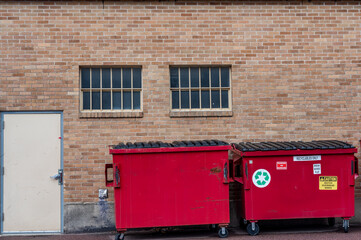
Front load dumpsters are commonly used for ongoing commercial waste needs rather than short term projects. These dumpsters are typically found behind restaurants, apartment complexes, retail stores, and office buildings. They are serviced on a regular schedule, such as weekly or biweekly.

Front load dumpsters are designed to be emptied by trucks equipped with front lifting arms. The lids help contain waste and control odors, making them suitable for daily trash disposal. While they are not typically rented for temporary projects, they are essential for businesses that generate consistent waste.

For commercial operations, front load dumpsters provide a reliable and predictable waste management solution that supports daily operations.

Rear Load Dumpsters

Rear load dumpsters are similar to front load dumpsters but are serviced from the back by garbage trucks. These dumpsters are often used in commercial settings where space or access makes rear loading more practical.

Like front load dumpsters, rear load dumpsters are designed for ongoing waste collection rather than temporary projects. They feature lids to keep waste contained and are typically serviced on a regular schedule.

Rear load dumpsters are commonly used in smaller commercial locations or areas with limited access for larger trucks.

Residential Dumpsters

Residential dumpsters are designed specifically for household projects such as cleanouts, remodeling, or landscaping. These dumpsters are often smaller than commercial containers and are sized to fit on driveways or residential properties.

Residential dumpsters may be roll off style containers but in more compact sizes to accommodate limited space. They are ideal for homeowners who need more capacity than standard trash pickup but do not require a large construction dumpster.

These dumpsters provide a convenient solution for home improvement projects while minimizing disruption to the property.

Construction Dumpsters

Construction dumpsters are heavy duty containers built to handle the demands of construction and demolition sites. These dumpsters are designed to hold materials such as concrete, brick, metal, wood, drywall, and roofing debris.

They are typically roll off dumpsters but may have reinforced walls and higher weight capacities. Construction dumpsters are essential for maintaining safe and organized job sites, as they allow debris to be removed efficiently as work progresses.

Because construction debris can be heavy, selecting the right size and type of dumpster helps prevent overloading and additional fees.

Yard Waste Dumpsters

Yard waste dumpsters are designed for landscaping projects and organic debris. These dumpsters are used to dispose of materials such as branches, leaves, grass clippings, soil, and tree debris.

Some rental companies offer dumpsters specifically designated for yard waste, which allows the material to be composted or processed separately. Using a yard waste dumpster supports environmentally responsible disposal practices.

These dumpsters are ideal for large landscaping projects, seasonal cleanups, or storm debris removal.

Heavy Material Dumpsters

Heavy material dumpsters are designed for waste that is particularly dense or heavy. Materials such as concrete, asphalt, brick, and dirt can reach weight limits quickly, even in smaller volumes.

These dumpsters are often smaller in size but built to handle higher weight capacities. Renting a heavy material dumpster helps avoid overage fees and ensures safe transportation.

Projects involving driveway removal, masonry work, or foundation repairs often require this type of dumpster.

Recycling Dumpsters

Recycling dumpsters are used for collecting recyclable materials such as cardboard, metal, wood, and certain plastics. These dumpsters help separate recyclable waste from general debris, making recycling easier and more efficient.

Some rental companies offer single stream recycling dumpsters, while others provide separate containers for different materials. Using recycling dumpsters supports sustainability and may reduce disposal costs in some cases.

Recycling dumpsters are commonly used for construction projects, office cleanouts, and events that generate large amounts of recyclable waste.

Temporary Event Dumpsters

Temporary event dumpsters are used for festivals, concerts, community events, and large gatherings. These dumpsters handle waste generated over a short period and are removed promptly after the event.

Event dumpsters may be smaller or larger depending on attendance and waste volume. They help keep event spaces clean and manageable, supporting sanitation and safety.

Proper planning ensures the right number and type of dumpsters are available throughout the event.

Compactor Dumpsters

Compactor dumpsters are used primarily in commercial and industrial settings where large volumes of waste are generated regularly. These dumpsters use compacting mechanisms to reduce the volume of waste, allowing more material to fit into the container.

While not commonly rented for residential projects, compactor dumpsters are valuable for businesses that produce high volumes of waste, such as manufacturing facilities or large retail operations.

Compactors reduce pickup frequency and can lower long term waste management costs.

Choosing the Right Dumpster Type for Your Project

Selecting the right dumpster type depends on several factors, including the type of project, the kind of waste generated, the duration of use, and available space. Temporary projects typically require roll off dumpsters, while ongoing waste needs are better served by front or rear load dumpsters.

Understanding weight limits and material restrictions helps prevent issues during disposal. Consulting with a rental provider ensures the chosen dumpster matches the project’s requirements.

Choosing the right type from the start saves time, reduces costs, and improves overall efficiency.

Placement and Accessibility Considerations

Different dumpster types require different placement considerations. Roll off dumpsters need space for delivery trucks to maneuver, while front load dumpsters require access for regular service.

Planning placement in advance helps avoid delivery issues and ensures safe loading. Rental companies can provide guidance on placement and local regulations.

Final Thoughts on Types of Dumpsters Available for Rent

There are many types of dumpsters available for rent, each designed to meet specific waste management needs. From roll off dumpsters for construction projects to front load dumpsters for commercial operations, selecting the right type is key to a successful project.

By understanding the differences between dumpster types and matching them to the task at hand, individuals and businesses can manage waste efficiently, safely, and responsibly. Choosing the appropriate dumpster ensures a smoother process and better results from start to finish.

Do New Homes Need a Home Inspection?

Home Inspection San Antonio

New construction home inspections cover the same basic areas as traditional home inspections. They also include additional focuses, like verifying adherence to building codes.

But, just because a home is brand-new doesn’t mean it’s problem-free. From faulty wiring to misinstalled appliances, new construction homes can have issues that warrant an inspection. Visit Home Inspection San Antonio to learn more.

Foundation

The foundation of a home is one of its most important structural components. If it isn’t strong enough, it can compromise the entire building. A professional inspector will evaluate the foundation of a new construction home to ensure it’s solid. They’ll check for cracks, improper drainage, and other problems that could lead to serious issues down the road.

If you’re considering buying a new construction home, it’s essential to have the property inspected before you commit to purchasing it. Home inspections can uncover a wide range of problems, including safety hazards, maintenance issues that will increase your energy bills, and structural damage that can cause costly repairs in the future. A thorough inspection can give you the leverage you need to negotiate with a builder to fix these problems or walk away from the purchase altogether.

Another reason to have a home inspection is to make sure the house meets all local codes. Builders are often incentivized to cut corners in order to save money and stay competitive in the market. This can result in poor workmanship that may not surface until after you move in and discover it yourself. Unfortunately, municipal code inspections only go so far to protect you from these defects.

In addition, if a new home has undergone recent renovations, it’s essential to have those inspected as well. Many homeowners conduct renovations such as kitchen and bathroom upgrades prior to putting their homes on the market. These projects can hide major problems like electrical systems that don’t meet current standards, plumbing issues that could disqualify the home from being insured, and more. An experienced inspector can spot these issues and warn you about them before you commit to a purchase.

HVAC

During the pre-construction stage, inspectors verify that the lot is cleared and graded. They also examine foundation layout, footings, and rebar. During the construction phase, they check that framing is completed properly and complies with building codes. They inspect ductwork for proper installation and seal, as well as insulation in walls and ceilings. Inspectors also look for any issues with plumbing, electrical, and HVAC connections.

A home inspection is a great opportunity for buyers to ask builders about warranty coverage and make sure the builder has addressed any potential problems. This can save a lot of stress and money down the road, especially when it comes to insurance claims.

While a home inspection is not typically required when purchasing a new construction, it’s a good idea. It gives the buyer peace of mind and may reduce the likelihood of renegotiations in a fast-moving market like NYC. It can also help identify any issues that need to be addressed by a professional contractor before closing.

The most important consideration is that a new home needs to be safe for occupants, and this requires a complete system of checks. For example, if a new home is built with faulty wiring or plumbing that has been slapped together by amateur handymen, it could be unsafe for a family to live in. Those types of issues aren’t likely to arise in a coop or condo, where the buyers are buying only their unit.

To get the most out of a home inspection, choose an inspector who has experience with the type of property you’re selling. In NYC, that means choosing a professional who understands the challenges of aging infrastructure, unique building materials, and complex legal structures like co-ops. You can find a qualified professional by reading reviews, asking for referrals, and checking credentials.

Plumbing

A home inspector checks all visible interior supply, waste and vent piping to ensure the pipes are in good condition. They also note the location of main water and fuel shut off valves. If there are any potential leaks in the plumbing system, the home inspector will flag these and recommend professional repair and/or replacement. They will also explain the types and materials the visible piping is made from, including their age and whether they meet current code requirements.

In addition to plumbing issues, a home inspection will uncover other potential problems with the building, such as a sloping foundation or cracked concrete. While these may not immediately affect your living experience, they could cost you a lot of money in the long run. Home inspections can help identify these problems early and give you more bargaining power in negotiations with the builder.

The best time to conduct a home inspection is before the walls are closed up. This allows the inspector to examine the structure and any electrical or plumbing components that aren’t yet installed. This will prevent any expensive repairs from popping up later on.

If you’re interested in purchasing a new construction home, consider asking your real estate agent for recommendations for licensed home inspectors. You can also check with local home inspection associations for licensed inspectors in your area. A home inspection usually takes between 2 and 4 hours, so set aside enough time to allow the inspector to thoroughly check the roof to the foundation. It’s also a good idea to attend the inspection, as you can ask questions on-the-spot and see firsthand what the inspector is looking for.

In addition to conducting a home inspection, you should also have your new home inspected for termites, mold and radon. These additional services require specialized training and equipment, so you’ll want to hire a regulated company to perform them.

Electrical

The electrical system includes fuses and/or circuit breakers to protect against overheating or fire. Modern systems use breaker switches, which will automatically trip when the current becomes too high. This prevents damage to wiring, appliances and fixtures. A home inspector will also check the electrical service panel to ensure that it is up to code, has enough amps to power all of the house’s appliances, and has properly sized wires and connections.

A new construction home inspection will verify that the home’s insulation and soundproofing are in good condition, and that the electrical panel is adequate for the home’s needs. It will also examine electrical outlets and switches to make sure that they’re in the correct location. In addition, the inspector will check for a properly working electrical meter and inspect the exterior of the home for any signs of electrical problems.

Having an inspector inspect a brand-new home before it goes on the market can help to reduce future liability and speed up the sales process. It can also be beneficial to the builders themselves as it enables them to identify and repair potential issues before they become costly repairs down the road.

Choosing an experienced home inspector is crucial, particularly in New York City where buyers expect transparency and professionalism. A licensed professional with experience evaluating multi-family dwellings such as brownstones and high-rise condos will better understand the challenges of NYC real estate, including unique building materials, complex legal structures like co-ops, and energy efficiency. Preparing for the inspection by making sure that utility closets and attics are accessible, cleaning up clutter and debris in the basement and attic, and replacing light bulbs will all contribute to a more effective and efficient inspection.

Interior

Some areas of a new home require more specialized training or knowledge than what a general inspector can offer. For example, a soil inspection to check for compaction, stability, and foundation integrity requires advanced tools and knowledge outside of the scope of a standard home inspection. In addition, inspecting a structure for asbestos, lead, and other environmental concerns requires special equipment and specific certifications. These types of specialized inspections should be conducted by trained professionals who are licensed and certified in these areas.

Even if a home has just been built, it still needs a full interior inspection before closing to ensure that the home is safe and up to code. This is a good time to inspect insulation and soundproofing measures, verify that electrical outlets and switches are properly installed, and test smoke detectors and carbon monoxide testers. During this phase, the builder would be responsible for addressing any issues found and making sure they are up-to-code before the property is put on the market.

A pre-listing inspection can be a valuable tool for NYC sellers to maximize transparency and streamline negotiations in the competitive real estate marketplace. It also enables sellers to avoid costly surprises and last-minute delays in the closing process.

Depending on the type of multi-unit dwelling, a buyer may or may not need to conduct a home inspection. For instance, a condo or coop buyer is buying the entire building (including the roof and foundation) while a homeowner is buying just their unit. In these cases, a complete home inspection may be unnecessary, though buyers should always request an inspection and include it as a condition in the purchase agreement.