Water damage can strike without warning, leaving property owners overwhelmed by the sudden mess, destruction, and uncertainty of where to begin. Whether caused by a burst pipe, severe weather, appliance malfunction, or sewer backup, the impact of water infiltration can be devastating. When water seeps into walls, floors, and furniture, it doesn’t just affect appearance—it weakens structural materials, damages belongings, and fosters unhealthy conditions. That’s where professional Water Damage Repair Salt Lake City services play a critical role.
These services go beyond simple water removal. They provide a systematic approach to assessing damage, eliminating moisture, sanitizing affected areas, and restoring the property to a safe, livable condition. With the right expertise and equipment, experienced technicians can help minimize losses, prevent mold growth, and return normalcy to both homes and businesses.
The Importance of Professional Water Damage Repair
When water damage occurs, immediate action is crucial. The longer moisture remains in the structure, the more severe the consequences become. Within minutes, water can spread rapidly, soaking everything in its path. In just a few hours, walls may begin to swell, flooring can warp, and furniture may start deteriorating. If left untreated for more than a day or two, mold begins to form, turning a manageable cleanup into a full-blown remediation project.
This is why professional water damage repair companies emphasize emergency response. These specialists are trained to respond quickly, assess the situation accurately, and begin water extraction immediately. Their fast intervention prevents additional destruction, reduces costs, and shortens the overall restoration time. Beyond that, they ensure that every step—from cleanup to structural repair—is handled with safety, efficiency, and care.
Common Causes of Water Damage
Water damage can occur in virtually any setting, and it’s not always caused by natural disasters. Many everyday issues can lead to significant water intrusion if not detected early. Some of the most common causes include:
- Leaking or Burst Pipes: Temperature fluctuations or corrosion can cause pipes to burst, releasing water into walls, floors, or basements.
- Roof Leaks: Damaged shingles, clogged gutters, or heavy storms can allow rainwater to seep through ceilings.
- Appliance Failures: Washing machines, dishwashers, and water heaters can malfunction, leading to indoor flooding.
- Sewer Backups: Contaminated water can enter the property due to blockages or municipal system overloads.
- Foundation Cracks: Improper drainage or soil shifting can allow water to enter through the basement walls or floors.
Recognizing these causes allows homeowners and businesses to take preventive steps such as regular inspections, appliance maintenance, and waterproofing, reducing the likelihood of future incidents.
The Step-by-Step Process of Water Damage Repair
A structured, professional approach ensures that all traces of water are removed and the property is fully restored. Although each case varies, the general process for water damage repair services includes the following essential steps:
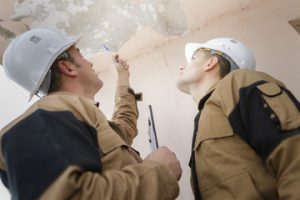
- Initial Inspection and Assessment: The team begins by inspecting the affected area using moisture meters, infrared cameras, and other diagnostic tools to evaluate the extent of damage and determine the source of the water intrusion.
- Water Extraction: Using industrial-grade pumps and vacuums, all standing water is removed quickly to prevent further absorption and damage to materials.
- Drying and Dehumidification: Specialized air movers and dehumidifiers are deployed to remove remaining moisture from walls, floors, and furniture. This step may take several days, depending on the severity of the damage.
- Cleaning and Sanitizing: Once the space is dry, technicians clean and disinfect affected surfaces to remove bacteria and eliminate odors.
- Repair and Restoration: The final step involves repairing structural damage, replacing drywall or flooring, and restoring the property to its pre-loss condition.
This systematic process ensures that both visible and hidden water damage are addressed thoroughly, preventing future complications such as mold growth or structural weakening.
Types of Water Damage and How They’re Handled
Not all water damage is equal—different types require different cleanup approaches. Professionals classify water damage into three categories to ensure the right treatment and safety measures are applied:
- Category 1 – Clean Water: This originates from clean sources such as broken supply lines or rainwater. It poses minimal risk if addressed promptly.
- Category 2 – Grey Water: This water contains contaminants from sources like washing machines or dishwashers and may cause illness with prolonged exposure.
- Category 3 – Black Water: The most hazardous, black water comes from sewage backups or floodwaters and contains bacteria, chemicals, and other harmful substances.
By correctly identifying the category of water damage, service providers can determine the appropriate tools, protective gear, and restoration methods to ensure complete and safe cleanup.
Advanced Technology in Water Damage Repair
Today’s water damage repair professionals use state-of-the-art technology to provide efficient and effective restoration. Infrared cameras detect hidden moisture behind walls, while digital hygrometers measure humidity levels in the air. High-capacity dehumidifiers remove excess moisture, and HEPA air scrubbers filter out airborne contaminants to improve indoor air quality.
Additionally, powerful truck-mounted water extractors and air movers speed up the drying process, allowing technicians to restore properties more quickly. Advanced antimicrobial treatments and ozone generators are often used to disinfect and deodorize spaces, ensuring they’re safe for occupancy.
Mold Prevention During Water Damage Repair
One of the biggest challenges after water damage is preventing mold growth. Mold thrives in damp environments, often appearing within 24 to 48 hours of water exposure. Once it begins to grow, it can spread rapidly and cause both structural damage and health problems.
Professional water damage repair contractors include mold prevention as an integral part of their process. After removing water and drying affected areas, they apply antimicrobial solutions and monitor humidity levels closely. In cases where mold has already formed, remediation experts safely remove contaminated materials and clean the area thoroughly to prevent future growth.
Residential vs. Commercial Water Damage Repair
While the fundamentals of water damage repair remain the same, residential and commercial properties present different challenges. For homeowners, the focus is often on salvaging personal items, repairing structural damage, and preventing mold in living spaces. For businesses, the priority is minimizing downtime, protecting inventory, and ensuring employee safety.
Residential water damage repair services often include carpet cleaning, odor removal, drywall replacement, and furniture restoration. Commercial services, on the other hand, involve large-scale drying systems, document recovery, and compliance with health and safety regulations. In both cases, professional expertise ensures that the property is restored efficiently and safely.
The Benefits of Hiring Professional Water Damage Repair Services
Attempting to fix water damage without professional help can lead to incomplete drying, lingering odors, or hidden mold growth. Experienced water damage repair service providers bring expertise, technology, and proven methods that guarantee long-lasting results. Some key benefits of hiring professionals include:
- Comprehensive Damage Assessment: Professionals identify hidden moisture and structural damage that may not be visible.
- Faster Restoration: Advanced equipment allows for efficient water extraction and drying, reducing downtime.
- Health and Safety Assurance: Technicians use specialized cleaning agents to eliminate harmful bacteria and prevent mold.
- Insurance Assistance: Many providers assist in documenting the damage for insurance claims, simplifying the process.
- Peace of Mind: Knowing that experts are handling the situation allows property owners to focus on recovery rather than repairs.
These benefits highlight why professional intervention is always the safest and most cost-effective solution after water damage.
Preventive Measures to Avoid Future Water Damage
Although water damage can’t always be predicted, preventive maintenance can reduce risks significantly. Homeowners and businesses can take proactive steps, such as:
- Regular Plumbing Inspections: Check for leaks, corrosion, or weakened joints in pipes.
- Gutter and Roof Maintenance: Ensure proper drainage and repair any damage immediately.
- Install Water Detection Systems: Smart sensors can alert you to leaks before they escalate.
- Seal Cracks and Openings: Waterproofing foundations and sealing windows help prevent water intrusion.
- Monitor Appliances: Replace old hoses and inspect connections on washing machines and dishwashers.
Implementing these simple measures can help prevent future water-related disasters and save significant repair costs.
The Long-Term Value of Professional Water Damage Repair
Professional water damage repair services provide more than immediate recovery—they ensure long-term property protection. Proper drying, structural assessment, and moisture control reduce the risk of future issues such as mold, rot, and weakened foundations. In addition, thorough restoration preserves the property’s resale value and enhances its overall safety and livability.
For businesses, effective repair services help maintain operational continuity and uphold the company’s reputation. For homeowners, they bring comfort and security, knowing the property has been restored by certified professionals. The investment in professional restoration pays off in durability, health, and peace of mind.
Water damage is unpredictable, destructive, and stressful—but with professional help, it doesn’t have to be permanent. Reliable water damage repair services provide the expertise, equipment, and dedication needed to restore homes and businesses quickly and effectively. By addressing visible damage, hidden moisture, and potential mold growth, these professionals ensure that your property is not only repaired but fully protected against future risks.
From emergency response and water extraction to drying, cleaning, and rebuilding, every step of the process is designed to deliver lasting results. Acting quickly and relying on experienced specialists makes all the difference in preserving your property and ensuring a safe, healthy environment for years to come. When it comes to water damage, professional repair services offer the most dependable path to full recovery and lasting peace of mind.