When planning a cleanup, renovation, construction project, or commercial operation, choosing the right type of dumpster is just as important as deciding to rent one in the first place. Different projects generate different kinds of waste, and Mt. Pleasant Dumpster Rental companies offer several types of dumpsters to meet those specific needs. Understanding the types of dumpsters available for rent helps homeowners, contractors, and business owners select the most efficient, cost effective, and practical option for their situation.
Understanding Why Dumpster Type Matters
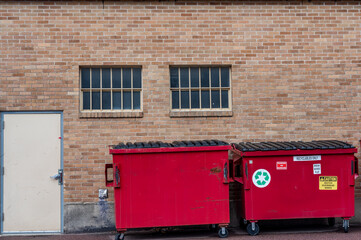
Not all dumpsters are designed the same way. The type of dumpster you rent affects how waste is loaded, how often it is serviced, and what materials it can handle. Selecting the wrong dumpster type can lead to inefficiencies, safety issues, or additional costs.
Some dumpsters are designed for temporary use during large projects, while others support ongoing waste needs. Some are built to handle heavy materials, while others are better suited for lighter, everyday waste. Knowing the differences allows you to match the dumpster to the project, ensuring smooth waste management from start to finish.
Roll Off Dumpsters
Roll off dumpsters are the most commonly rented dumpsters for temporary projects. These large, rectangular containers are delivered to a site by a specialized truck that rolls the dumpster off the back of the vehicle. When the project is complete or the dumpster is full, the same truck returns to roll it back on and transport the waste for disposal.
Roll off dumpsters are ideal for construction, renovation, demolition, and major cleanouts. Their open top design allows easy loading of bulky and heavy materials. Many roll off dumpsters also feature a swinging rear door, making it easier to walk debris directly into the container rather than lifting it over the sides.
These dumpsters come in a wide range of sizes, making them versatile for both residential and commercial projects. Because they are intended for short term use, roll off dumpsters are best for projects with a clear start and end point.
Front Load Dumpsters
Front load dumpsters are commonly used for ongoing commercial waste needs rather than short term projects. These dumpsters are typically found behind restaurants, apartment complexes, retail stores, and office buildings. They are serviced on a regular schedule, such as weekly or biweekly.
Front load dumpsters are designed to be emptied by trucks equipped with front lifting arms. The lids help contain waste and control odors, making them suitable for daily trash disposal. While they are not typically rented for temporary projects, they are essential for businesses that generate consistent waste.
For commercial operations, front load dumpsters provide a reliable and predictable waste management solution that supports daily operations.
Rear Load Dumpsters
Rear load dumpsters are similar to front load dumpsters but are serviced from the back by garbage trucks. These dumpsters are often used in commercial settings where space or access makes rear loading more practical.
Like front load dumpsters, rear load dumpsters are designed for ongoing waste collection rather than temporary projects. They feature lids to keep waste contained and are typically serviced on a regular schedule.
Rear load dumpsters are commonly used in smaller commercial locations or areas with limited access for larger trucks.
Residential Dumpsters
Residential dumpsters are designed specifically for household projects such as cleanouts, remodeling, or landscaping. These dumpsters are often smaller than commercial containers and are sized to fit on driveways or residential properties.
Residential dumpsters may be roll off style containers but in more compact sizes to accommodate limited space. They are ideal for homeowners who need more capacity than standard trash pickup but do not require a large construction dumpster.
These dumpsters provide a convenient solution for home improvement projects while minimizing disruption to the property.
Construction Dumpsters
Construction dumpsters are heavy duty containers built to handle the demands of construction and demolition sites. These dumpsters are designed to hold materials such as concrete, brick, metal, wood, drywall, and roofing debris.
They are typically roll off dumpsters but may have reinforced walls and higher weight capacities. Construction dumpsters are essential for maintaining safe and organized job sites, as they allow debris to be removed efficiently as work progresses.
Because construction debris can be heavy, selecting the right size and type of dumpster helps prevent overloading and additional fees.
Yard Waste Dumpsters
Yard waste dumpsters are designed for landscaping projects and organic debris. These dumpsters are used to dispose of materials such as branches, leaves, grass clippings, soil, and tree debris.
Some rental companies offer dumpsters specifically designated for yard waste, which allows the material to be composted or processed separately. Using a yard waste dumpster supports environmentally responsible disposal practices.
These dumpsters are ideal for large landscaping projects, seasonal cleanups, or storm debris removal.
Heavy Material Dumpsters
Heavy material dumpsters are designed for waste that is particularly dense or heavy. Materials such as concrete, asphalt, brick, and dirt can reach weight limits quickly, even in smaller volumes.
These dumpsters are often smaller in size but built to handle higher weight capacities. Renting a heavy material dumpster helps avoid overage fees and ensures safe transportation.
Projects involving driveway removal, masonry work, or foundation repairs often require this type of dumpster.
Recycling Dumpsters
Recycling dumpsters are used for collecting recyclable materials such as cardboard, metal, wood, and certain plastics. These dumpsters help separate recyclable waste from general debris, making recycling easier and more efficient.
Some rental companies offer single stream recycling dumpsters, while others provide separate containers for different materials. Using recycling dumpsters supports sustainability and may reduce disposal costs in some cases.
Recycling dumpsters are commonly used for construction projects, office cleanouts, and events that generate large amounts of recyclable waste.
Temporary Event Dumpsters
Temporary event dumpsters are used for festivals, concerts, community events, and large gatherings. These dumpsters handle waste generated over a short period and are removed promptly after the event.
Event dumpsters may be smaller or larger depending on attendance and waste volume. They help keep event spaces clean and manageable, supporting sanitation and safety.
Proper planning ensures the right number and type of dumpsters are available throughout the event.
Compactor Dumpsters
Compactor dumpsters are used primarily in commercial and industrial settings where large volumes of waste are generated regularly. These dumpsters use compacting mechanisms to reduce the volume of waste, allowing more material to fit into the container.
While not commonly rented for residential projects, compactor dumpsters are valuable for businesses that produce high volumes of waste, such as manufacturing facilities or large retail operations.
Compactors reduce pickup frequency and can lower long term waste management costs.
Choosing the Right Dumpster Type for Your Project
Selecting the right dumpster type depends on several factors, including the type of project, the kind of waste generated, the duration of use, and available space. Temporary projects typically require roll off dumpsters, while ongoing waste needs are better served by front or rear load dumpsters.
Understanding weight limits and material restrictions helps prevent issues during disposal. Consulting with a rental provider ensures the chosen dumpster matches the project’s requirements.
Choosing the right type from the start saves time, reduces costs, and improves overall efficiency.
Placement and Accessibility Considerations
Different dumpster types require different placement considerations. Roll off dumpsters need space for delivery trucks to maneuver, while front load dumpsters require access for regular service.
Planning placement in advance helps avoid delivery issues and ensures safe loading. Rental companies can provide guidance on placement and local regulations.
Final Thoughts on Types of Dumpsters Available for Rent
There are many types of dumpsters available for rent, each designed to meet specific waste management needs. From roll off dumpsters for construction projects to front load dumpsters for commercial operations, selecting the right type is key to a successful project.
By understanding the differences between dumpster types and matching them to the task at hand, individuals and businesses can manage waste efficiently, safely, and responsibly. Choosing the appropriate dumpster ensures a smoother process and better results from start to finish.