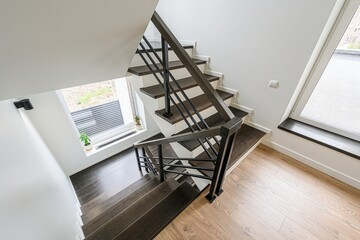
The safety standards for handrails and guardrails vary depending on the code or regulations you’re designing under. For instance, OSHA standards (which apply to workplaces) have specific rules regarding stair rail height and spacing.
Fortunately, metal railings can meet these safety requirements while still offering great style options. To learn more about codes and regulations, continue reading. Visit 83MetalCraft LLC for more details.
Structural Requirements
The structure of a staircase railing must be able to support the load it will bear. Stairway railings must also be able to provide a gripping surface that is strong enough to withstand the force of an individual grasping the handrail. This ensures that the railing system is safe for use and does not pose a risk to the individuals using it.
Most building codes establish rules that specify the structural requirements for stair railings to promote safety and provide stability. These guidelines include regulating the overall dimensions of the stairs to ensure that people can navigate them comfortably, setting minimum tread and riser dimensions for stability, and specifying the locations and heights of handrails. They also regulate the materials and design options for stair railings to protect individuals from fire hazards, enhance traction, and align with accessibility requirements to accommodate users with disabilities.
In most cases, handrails are required to be installed on both sides of a staircase to provide stability and support for individuals as they move up or down the stairs. In addition, they must be able to withstand a uniform live load of 200 pounds or less. They must also be able to prevent the passage of a 4-inch diameter sphere to avoid potential injuries.
When selecting the style of a staircase handrail, it is important to consider the architectural theme and aesthetics of the project. Metal railings can create a sleek, modern look, while glass and wood options complement more traditional, classic designs. These systems can be further customized by selecting decorative end caps and scroll work to enhance their appearance. Incorporating lighting solutions into the staircase railings can also enhance safety and set a mood or create an artistic display.
The building code may also require a specific grip size, which refers to the diameter or perimeter of the handrail’s gripping surface. This helps ensure that the handrails are easy to grasp and will not become slippery during normal use. Other code requirements typically include requiring the handrail to be continuous over the full length of the staircase, with no breaks or interruptions except at the top and bottom of the stairs. They are also required to be mounted securely to the structure of the stairs, either by being attached to the wall or fastened to the newel posts with standard terminal castings.
Design Requirements
Many designers don’t give much thought to the specifics of staircases and railings – but there are many important details involved in meeting code and safety requirements. Building organizations that enforce these regulations have clear guidelines for stair design and components to ensure that stairs, handrails and balustrades are durable, functional and attractive.
For example, building codes often specify a minimum and maximum diameter or perimeter for handrail grips to ensure that they are graspable and easy to hold onto. They also typically require that handrails extend continuously along the stair, with no interruptions or gaps. This provides a safe and consistent support system as individuals navigate the stairs.
Other design considerations include a clear and consistent height above the walking surface, opening size and spacing, and stair depth. Safety standards don’t just care about aesthetics, though – they also have strict rules about how much force a handrail can handle to prevent falls and other accidents. For example, a stair railing must be capable of resisting a concentrated load of 200 pounds and a uniform load of 50 pounds per linear foot along the top rail.
In addition, safety codes often have specific requirements for railings in different regions and climates. For instance, coastal areas might require weather-resistant materials like powder-coated stainless steel. Earthquake-prone zones may require reinforced posts and specialized earthquake-resistant designs for stair railings. And historic districts might require adherence to specific aesthetics like wrought iron or masonry construction.
A good way to meet these safety and code requirements is to work with a professional company that specializes in designing and installing architectural metal stair railings. They can create a custom solution that meets all of the required specifications while maintaining a stylish, contemporary look.
Using a professional installation service can also help ensure that the railings are correctly installed and that they are properly attached to the stair structure. This can avoid potential problems during the construction process, including damage to the stair and handrails, and it can also save on labor costs. When it comes to installing a metal handrail, working with a professional is vital because the proper mounting and fastening techniques are essential for safety, compliance and durability.
Material Requirements
Architects must consider the type of material that will serve the railing system’s function, including its durability and load-bearing capacity. For example, if the railing will be exposed to a lot of wear and tear, it should be made from a durable metal, like stainless steel or anodized aluminum, that can stand up to the impact and stress of constant use. Likewise, the railing should be able to hold up to the varying forces that are applied to the handrail system during normal use and to withstand concentrated loads, such as people leaning on them for stability.
Additionally, the railing must meet specific design requirements that are set by building codes and ADA regulations, such as its height and openings. For example, IBC Section 1013.3 requires handrails to be a minimum of 30 to 38 inches above the leading edge of the stair tread and extend at least 12 inches beyond the top and bottom riser horizontally. ADA regulations also dictate that handrail gripping surfaces must be continuous and graspable, and must not contain any sharp or abrasive elements.
Using the right materials for these structural components can make all the difference in code compliance and aesthetics. For example, carbon steel is the most economical choice for commercial railings, but it can corrode over time. To prevent this from happening, it is recommended to use a galvanization or powder coating that impedes corrosion and keeps the steel strong.
When considering the varying material options, architects must also consider the region they’re working in. For instance, coastal regions may require weather-resistant materials like powder-coated steel, while earthquake-prone areas might mandate stronger posts. Similarly, historic districts might require railings that blend in seamlessly with the architecture of the space.
Taking these considerations into account can help architects create railing systems that adhere to all required standards while maintaining a sleek, architecturally elegant look. This helps ensure that the railings will be a functional part of the overall design, and that they will serve their intended purpose for decades to come.
Installation Requirements
Stair railings that follow code guidelines enhance a home’s aesthetic, increasing property value over time. They also provide safety and security for people of all ages, including children, seniors and the mobility-impaired. Choosing the right material and installing them correctly are key to keeping them compliant with code and safety standards.
Building codes specify handrail requirements based on the number of steps in a staircase, with most requiring them for stairs with four or more risers and more than 44 inches in height. However, there are a variety of other variables that can affect the required height, such as slope, surface type, and design.
In addition to stair railing height, handrails must be properly installed and able to support a user’s weight. This means the handrail must be mounted securely to the wall or other structure that supports it. Using a stud finder to locate wall studs before mounting the railing helps ensure the correct placement, which will meet safety guidelines and allow for the safest use of the stairs.
The handrail must extend 12 inches beyond the top and bottom of each stair run to prevent people from accidentally grabbing the handrail after stepping onto or off the stairs. It should also have a smooth, uninterrupted surface that provides gripping support without snagging clothing or causing injuries. Handrails should also be continuous along the length of the stair or ramp and not have any breaks, gaps, or fittings that could be hazardous.
Proper stair railing height prevents falls, especially for kids and elderly adults. These groups are more prone to accidental falls from sudden shifts in balance, so a handrail height of 34-38 inches effectively blocks these hazards while allowing for comfortable gripping.
Residential handrail requirements vary by locality, with coastal areas often requiring more corrosion-resistant materials and high-slope homes needing taller railings to prevent tripping. Earthquake-prone areas may enforce stricter anchoring and structural integrity rules. Contact your local building department to verify the specific rules for your area. Regardless of local code variations, there are general rules for residential safety that every homeowner should familiarize themselves with to keep their home up-to-date and meet all applicable regulations.